

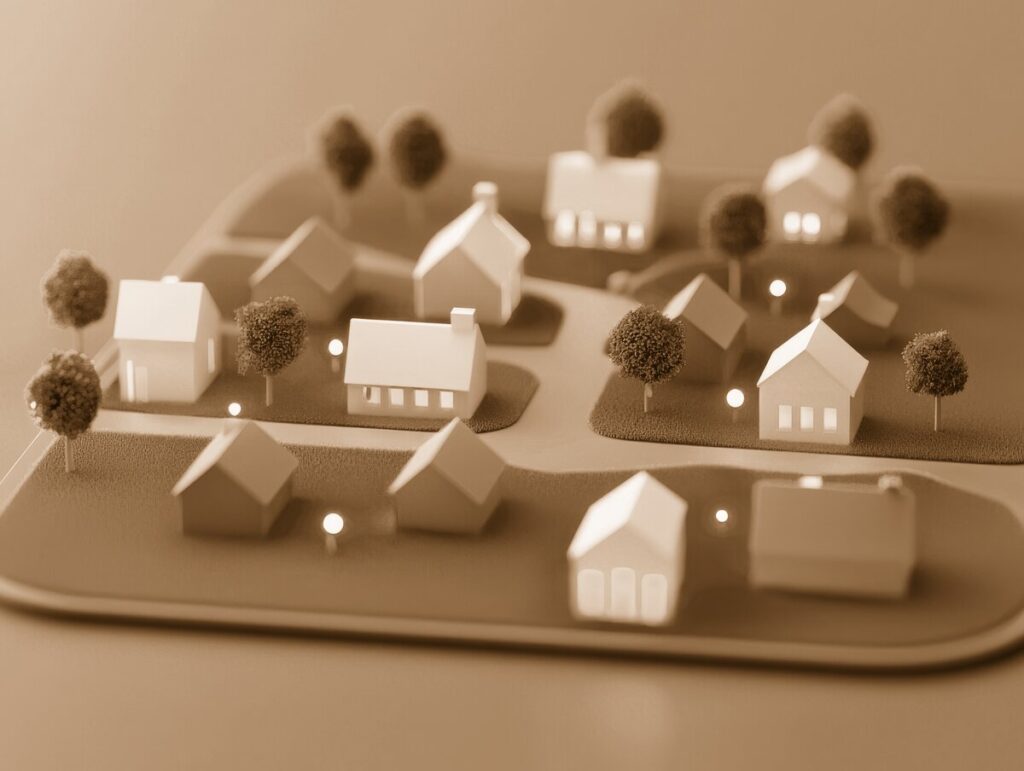
Discovering Winterwoods: A Neighborhood Rooted in History
Ask any longtime Findlay resident about Winterwoods, and you’ll likely see a knowing smile appear. Nestled between Western Avenue and South Main Street, just south of the Blanchard River, Winterwoods is more than just a quiet residential enclave — it’s a living testament to the city's growth, the character of its people, and the enduring sense of community that defines Findlay, Ohio.
The Origins of Winterwoods
The story of Winterwoods begins in the early 1960s, a period marked by a flurry of suburban development across Hancock County. As Findlay’s population swelled in the postwar years, city planners looked to the wooded acreage west of Central Parkway for new housing. Local legend suggests that the area earned the name “Winterwoods” from its picturesque thickets of sycamores and maples, which in winter turned the landscape into a tranquil, frosted wonderland. Early brochures even promised “the beauty of every season, but a peace all its own in winter.”
Original developers, spearheaded by the local Winter family (after whom the neighborhood is believed to have been partly named), laid out gentle, winding streets — among them Woodridge Drive, Southmoor Circle, and Parkside Lane — that followed the land’s natural contours, preserving mature trees and small clearings that made the area especially attractive.
Key Historical Milestones
Throughout the decades, Winterwoods has been shaped by defining moments and gradual change:
- 1962: Construction began on the first ranch-style homes, many of which still stand today with original brickwork and mid-century accents.
- 1970s: The neighborhood saw a second wave of development, with split-level and colonial-style houses reflecting evolving architectural tastes.
- 1985: Winterwoods Park opened at the center of the community, repurposing greenspace for play areas and walking trails. The park quickly became a gathering point for block parties, Easter egg hunts, and summer picnics.
- 1990s – Present: As Findlay continued to grow, Winterwoods maintained its close-knit feel even as newer, larger homes appeared along Forest View Drive and Lakewood Avenue.
Notable Landmarks and Buildings
Winterwoods may be primarily residential, but several key sites serve as touchstones for residents:
- Winterwoods Park: The heart of the neighborhood, featuring a shaded playground, a new picnic shelter (added in 2016), and meandering footpaths surrounded by native wildflowers. The park is often busy with children and dog-walkers throughout the year.
- St. Mark’s Evangelical Lutheran Church: Situated on the edge of the neighborhood along South Main Street, this church has offered spiritual guidance and hosted countless community events since moving to its current building in 1974.
- The Old Maple Stand on Parkside Lane: A small copse of original trees, spared during Winterwoods’ development, this spot has been the backdrop for generations of family photos and autumn leaf piles.
Stories Behind the Name: Winterwoods
Winterwoods’ evocative name is part tribute, part poetic inspiration. Early residents recall the founders’ wish to evoke both the family legacy and the neighborhood’s wooded serenity, especially in the quiet winter months when the trees are dusted with snow and families decorate porches with twinkling lights. “It always felt like a place where winter was meant to be enjoyed,” says Marian Hobbs, a resident since 1973. “You’d see neighbors sledding down little hills with their kids, or gathering for cocoa after shoveling driveways together.”
Community Through the Decades
What truly sets Winterwoods apart isn’t just its setting, but its spirit. The neighborhood has always been known for welcoming newcomers — rarely does a move-in pass without cookies or a friendly hello from the folks next door. Over the years, local traditions have flourished:
- Annual Winterwoods Holiday Lights Tour: Residents take pride in outdoing one another with creative displays each December. Streets like Lakewood Avenue and Woodridge Drive are famed for their elaborate light shows.
- Spring Cleanup Days: Each April, neighbors gather to clean the park, mulch flower beds, and trim back branches, turning the work into an impromptu social event.
- Halloween Parade: For decades, kids have donned costumes and paraded through Parkside Lane, cheered on by parents and grandparents.
Changes and Continuity
Though much has changed since the first foundations were poured, the essential character of Winterwoods remains intact. Where modest ranch homes once stood alone, you now find beautifully maintained yards, updated facades, and gardens bursting with perennials. Despite modern touches like fiber internet and solar panels, you’ll still see mailboxes clustered together and “Little Free Libraries” stocked with kids’ books all along the curb.
The neighborhood also boasts easy access to Findlay’s best amenities. Downtown shops and restaurants are just a short drive away, and Riverside Park, with its river trails and historic bandshell, is close enough for an evening stroll or bike ride.
Why Winterwoods Still Shines
For those who call it home, Winterwoods is more than a collection of houses and winding streets. It’s the soft hush of snow-covered trees, the echo of laughter from the park, and the reassuring feeling that, here, neighbors look after one another. As the years pass and the city grows, Winterwoods stands as both a piece of Findlay’s history and a model of its best traditions: warmth, community, and enduring beauty, in every season.
Next time you find yourself driving down Parkside Lane or catching a sunset in Winterwoods Park, pause for a moment. You’ll feel the heritage all around — and the friendly heartbeat of a truly special neighborhood.